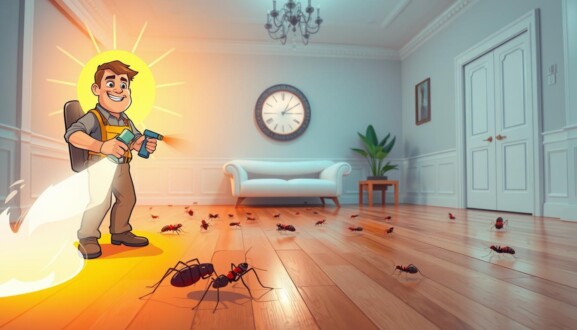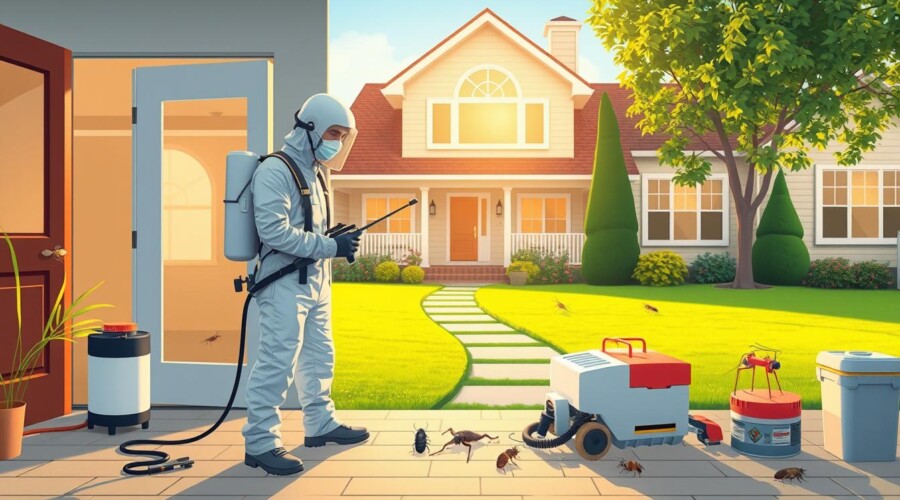
Professional Exterminators: Protecting Your Home from Pests
As a homeowner, you know how important it is to keep your home pest-free. Pests can damage your property and make your family sick.
Residential pest control is key to keeping your home safe. Pest control services have the tools and knowledge to find and get rid of pests.
By choosing professional exterminators, you can stop pests from coming back. They help keep your home and family safe from pests.
Key Takeaways
- Professional exterminators help maintain a pest-free environment.
- Pest control services provide expertise and equipment to eliminate pests.
- Residential pest control is essential for home safety and security.
- Hiring professionals can prevent future pest infestations.
- Pest control services protect your home and family from health risks.
Understanding the Role of Professional Exterminators
Professional exterminators keep your home pest-free. They know how to find and get rid of many pests. This makes your home safe and healthy.
What Do Exterminators Do?
Experienced exterminators have the skills and tools to check your home. They find pest problems and fix them. Here’s what they do:
- They look all over your home for pest signs.
- They make special plans to treat the pests.
- They use different ways to kill pests, like chemicals or natural stuff.
- They teach you how to stop pests from coming back.
When Should You Call an Exterminator?
Call a professional exterminator if you see pest signs. Look out for:
- Droppings or chew marks on food, furniture, or other things.
- Nests or live pests in your home, like rodents, cockroaches, or bed bugs.
- Unexplained bites or skin problems that might be from pests.
Knowing when to call an exterminator helps keep your home safe. Licensed pest management experts make sure pest control works well and is safe.
Common Household Pests and Their Risks
Household pests are not just annoying. They can also harm your health and home. It’s important to know the dangers they bring.
Rodents: Health Risks and Prevention
Rats and mice are common pests. They carry diseases like leptospirosis and hantavirus. These diseases can spread to humans through their waste.
To keep rodents away, seal your home’s entry points. Keep your space clean. Store food in safe containers.
Using eco-friendly pest control can help. Essential oils and natural traps can keep rodents out without harming your family.
Insects: Identifying the Most Common Types
Insects like cockroaches, mosquitoes, and ants are not just pests. They can also make you sick. Cockroaches can cause allergies and asthma. Mosquitoes can spread diseases like malaria and dengue fever.
To fight insect pests, keep your home clean. Get rid of standing water. Use screens on windows and doors.
If pests are a big problem, get help from pest control. They offer eco-friendly solutions that are safe for your family and pets.
Importance of Choosing Licensed Exterminators
Getting rid of pests starts with a licensed pro. They know how to manage pests well. You get a safe and good solution when you pick a licensed exterminator.
Benefits of Hiring Licensed Professionals
Licensed exterminators are very skilled. They’ve had lots of training. They know how to deal with many pest problems.
A pest control expert said, “Licensed pros can handle pest problems and stop them from coming back.“
Here are some good things about hiring licensed pros:
- They use the latest pest control methods and tools.
- They can find and fix pest problems well.
- They know how to keep your family and pets safe.
- They follow local rules and standards.
Choosing a licensed exterminator means the job is done right the first time. This saves you time and money.
How to Verify an Exterminator’s Credentials
Checking an exterminator’s credentials is easy. First, see if they’re licensed in your area. Then, ask for their license number and check it with the state’s licensing board.
Also, look for certifications from groups like the National Pest Management Association (NPMA). These show the exterminator keeps up with new pest control methods.
“Certification shows a pro is dedicated to being the best and learning more.”
By doing these things, you can trust the pro you hire to keep your home pest-free.
Approaches to Pest Control
Choosing the right pest control method is key to keeping your home safe. Experts use many ways to get rid of pests. This makes sure your home stays pest-free.
Integrated Pest Management Explained
Integrated Pest Management (IPM) is a detailed plan to fight pests. It starts with checking to see what pests you have and how many. Then, it includes cleaning up to stop pests from coming back. Finally, it uses special treatments for each pest problem.
“IPM is a holistic approach that not only addresses the immediate pest issue but also focuses on long-term prevention.” Experts learn about pests to make a plan. This plan uses fewer chemicals and helps prevent pests from coming back.
Chemical vs. Natural Treatment Options
Exterminators might use chemicals or natural methods to treat pests. Chemicals work well against many pests but can be harmful if not used right.
Natural pest control is safer and better for the environment. It uses things like essential oils and diatomaceous earth to keep pests away.
When picking a pest control method, think about the good and bad of each. Chemicals might work fast, but natural methods are safer and better for the planet.
“The goal of pest control is not just to eliminate the current infestation but to create a pest-resistant environment that prevents future problems.”
Signs You Need Professional Pest Control
If you’re not sure if pests are in your home, look for certain signs. These signs mean you need professional exterminators. Pests can grow fast, causing damage and health problems.
Early Warning Signs of Infestation
First, find the signs of pests. Common signs are:
- Visible droppings or gnaw marks on furniture and walls
- Unusual noises, such as scurrying sounds in the walls or attic
- Nests or hives in hidden areas like under sinks or behind appliances
- A strong, unpleasant odor that persists despite cleaning
These signs mean pests are living in your home. It’s time to think about residential pest control services.
Behavioral Changes in Pets
Pets can show signs of pests too. If your pet is usually calm but now is agitated, it might mean pests are there. For example:
- Increased barking or meowing without an apparent reason
- Restlessness or pacing back and forth
- Avoiding certain areas or rooms
These changes could mean pests like rodents, fleas, or bed bugs. If you see these signs, check your home for pests.
Calling professional exterminators early can prevent bigger problems. They can find the problem and fix it, making your home safe again.
DIY Pest Control: When It’s Effective
DIY pest control works for small pest problems. But, it’s important to know its limits. Professional exterminators offer full solutions. Sometimes, simple methods can help control pests.
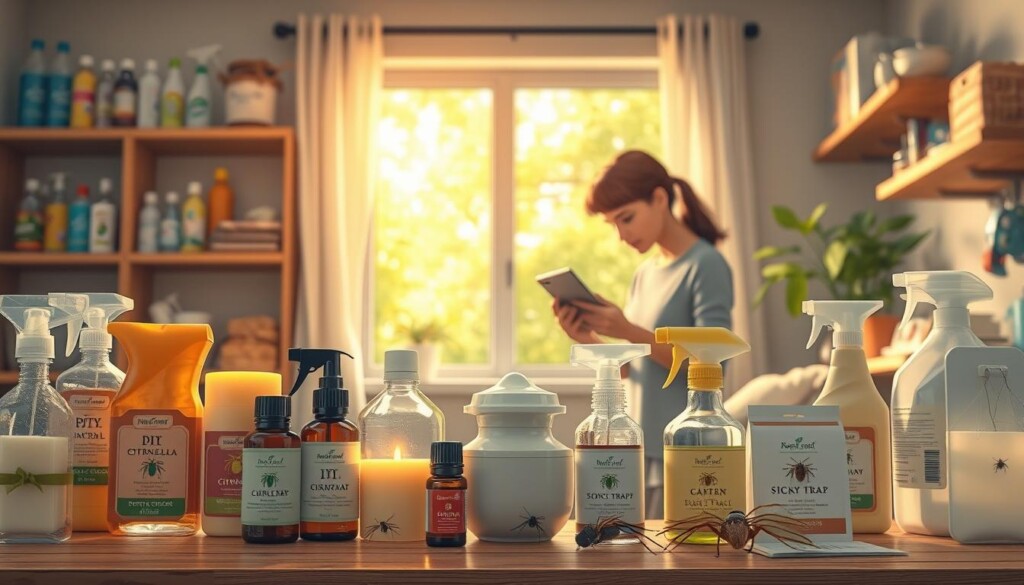
Simple Prevention Methods for Homeowners
Keeping your home clean helps prevent pests. Clean up crumbs and spills fast. Store food in sealed containers and throw away trash right.
Sealing cracks and crevices keeps pests out. This is a simple DIY trick.
Simple DIY methods include:
- Using natural deterrents like peppermint oil or vinegar to repel pests.
- Setting traps in strategic locations to capture rodents or insects.
- Maintaining your yard by keeping it free of debris and trimming back trees and bushes that touch your home.
Limitations of DIY Solutions
DIY methods work for small problems. But, they can’t handle big or ongoing infestations. Experienced exterminators have the skills and tools for tough cases.
If DIY doesn’t work, it’s time to call pest control services. They can give you a detailed plan to fix the problem.
The Extermination Process: What to Expect
Getting rid of pests starts with a detailed check by experts. When you choose skilled pest exterminators, you get a clear and thorough process. It’s made just for your pest problems.
Initial Inspection and Assessment
The first thing is a close look at your home. Skilled pest exterminators will check everywhere pests might hide. This includes attics, basements, and kitchens.
They look for signs like droppings, nests, or damage. This helps them understand the problem.
Treatment Plans: Customization for Your Home
After the check, the exterminator makes a customized treatment plan for you. This plan might include sealing holes, removing things that attract pests, and using special treatments.
For example, if you have termites, the plan might include soil treatment or baiting systems. The goal is to get rid of the pests and stop them from coming back.
“The key to effective pest control is a thorough understanding of the pest’s behavior and habitat. Customized treatment plans ensure that we’re not just treating symptoms, but addressing the root cause of the infestation.” – Expert in commercial pest control
A good plan also includes follow-up visits. This makes sure the treatment works and makes any needed changes. This is what makes commercial pest control services stand out. They give you a lasting solution to your pest problems.
| Treatment Component | Description | Benefits |
|---|---|---|
| Sealing Entry Points | Identifying and sealing all entry points to prevent re-infestation | Long-term prevention, reduced risk of future infestations |
| Removing Attractants | Eliminating food sources and other attractants that draw pests to your home | Reduces the likelihood of pest return, makes treatment more effective |
| Targeted Treatments | Applying treatments specifically designed for the identified pest | Effective elimination of current infestation, tailored to the pest type |
Tips for Maintaining a Pest-Free Home
Keeping your home pest-free is not just luck. It needs regular maintenance and inspections. Knowing how to do this keeps your home safe.
Regular Maintenance and Inspections
Stopping pests starts with regular upkeep. Seal cracks, clean your kitchen, and store food right. Benjamin Franklin said, “An ounce of prevention is worth a pound of cure.” Experts can spot problems early.
To keep pests away, do these things:
- Seal all entry points around your home.
- Keep your home clean and clutter-free.
- Store food and waste properly.
Creating a Pest-Resistant Environment
More than cleaning is needed to keep pests out. Use eco-friendly pest control methods. Natural deterrents and a clean home help a lot. For residential pest control, try diatomaceous earth or essential oils.
These steps help keep your home pest-free. They keep your family safe. Always be ready to fight pests, not just react.
“The best way to prevent pest infestations is to make your home less appealing to pests.” –
The Cost of Pest Control Services
Hiring professional exterminators can cost a lot. It depends on many things. Knowing these can help you plan your budget better.
Factors Influencing Extermination Pricing
Many things affect how much pest control costs. These include:
- The type of pest infestation
- The severity of the infestation
- The treatment methods used
- The size of the area to be treated
Type of Pest Infestation: Different pests need different treatments. This changes the cost. For example, getting rid of termites is often more expensive than ants.
Ways to Budget for Pest Control
To plan your budget for pest control, think about these:
| Factor | Budget Consideration | Potential Cost |
|---|---|---|
| Type of Pest | Identify the pest to choose the right treatment | $50-$200 |
| Severity of Infestation | Assess the extent of the infestation | $100-$500 |
| Treatment Method | Choose between chemical and natural treatments | $75-$300 |
Understanding these factors helps you manage the costs of licensed pest management services better.
Professional exterminators can give you a quote based on your needs. This helps you plan and budget. It’s smart to get quotes from different providers to compare prices and services.
Customer Reviews: Finding the Right Exterminator
Customer reviews are key to finding experienced exterminators for your pest problems. It’s important to choose a reliable service provider.
Reading and Analyzing Online Reviews
Online reviews give insights into service quality and professional exterminators effectiveness. Check reviews on different sites for a full view. A high number of reviews means more accurate feedback.
When reading reviews, look at the details. See what customers say about the exterminator’s professionalism and treatment results.
Asking for Recommendations from Friends
Also, ask friends and family for exterminator recommendations. They share real experiences and opinions on service quality.
Personal recommendations help you trust your choice. Ask about their experiences, like how fast the exterminator came and the service cost.
Use online research and personal advice to pick a professional exterminator wisely.
How to Prepare for an Extermination Service
To get the best from your extermination service, prepare your home first. This makes the treatment work better and keeps your family and pets safe.
Steps to Take Before the Exterminator Arrives
Before the skilled pest exterminators come, do a few things. First, take away all food, pet food, and dishes from the treated areas. Clean up any mess too, as it can get in the way.
- Put all food and trash in sealed bins.
- Move pets and their stuff from the treated areas.
- Put away toys, clothes, and bedding to avoid contamination.
Here’s what you need to do to get your home ready:
| Preparation Task | Description |
|---|---|
| Remove Food and Dishes | Clear counters, tables, and floors of food items and dishes. |
| Secure Pets | Remove pets and their belongings from treatment areas. |
| Clean Clutter | Organize and clean clutter to ensure effective treatment. |
Safety Precautions for Your Family and Pets
When the residential pest control treatment happens, stay safe. Your exterminator will tell you how, but here are some tips:
- Keep kids and pets away from treated areas until it’s safe.
- Do what the exterminator says about ventilation or cleaning.
- Watch out for any allergic reactions to the treatment.
By following these steps and working with your skilled pest exterminators, you’ll get a safe and effective residential pest control treatment. This teamwork keeps your home pest-free, making your family’s health better.
Frequently Asked Questions About Exterminators
You might wonder about the extermination process. Many homeowners do. They ask about treatment time and how it affects pets and plants. Professional exterminators can answer these questions, making you know what to expect.
Duration of Treatment
Treatment time changes based on the pest problem. It can take a few hours to a whole day. Eco-friendly methods might need more time or visits to work well.
Impact on Pets and Plants
Good pest control services care about your pets and plants. They use safe treatments, like eco-friendly options, to fight pests. Always tell the exterminator about pets or plants to keep them safe.