Eco-Friendly Pest Management: Keeping Your Home Safe
As a homeowner in India, you know about pests in your home. They can be cockroaches or rodents. These pests are bad for your health.
You don’t need harsh chemicals to get rid of them. Eco-conscious pest management is safer and better for the planet. It keeps your home and family safe without harming the environment.
Key Takeaways
- Safer alternatives to chemical pest control
- Eco-conscious methods for a healthier home
- Sustainable approaches to pest management
- Effective ways to protect your family and home
- Environmentally friendly pest control methods
What Are Eco-Friendly Pest Solutions?
Looking for a pest-free home? It’s important to know about green pest control. You want methods that work well and are safe for everyone and the planet.
Definition and Importance
Eco-friendly pest solutions are ways to control pests that don’t harm the environment, people, or pets. They help keep your home healthy and reduce harm to the planet. By using sustainable practices, you protect your home and help the environment.
Green pest control is better than old methods because it doesn’t use harsh chemicals. These chemicals can pollute our air, water, and soil. Green methods use natural and safe ways to keep pests away.
Benefits of Sustainable Practices
Choosing eco-friendly pest solutions has many advantages. It makes your home safer for your family and pets. It also helps keep the environment healthy by not harming good bugs and creatures. Plus, these methods are more precise, which means less chance of pollution.
Some big pluses of green pest management are:
- Less pollution
- Safer for people and pets
- Good for beneficial insects
- More sustainable in the long run
By picking green pest control, you solve pest problems and help the planet. We’ll look at how to use these methods at home.
Common Household Pests and Their Impact
Knowing the pests that invade your home is key to keeping it safe. Your home should be a place of comfort, not a place for pests like cockroaches, bed bugs, and rodents. These pests can make you uncomfortable and even harm your health.
Identifying Common Pests
To fight pests well, you must know who they are. Here are some pests you might find in your home:
- Cockroaches: They’re not just gross; they can spread sickness.
- Bed Bugs: Bed bugs make you itch and are a big problem.
- Rodents: Rodents can damage your home and carry diseases.
Knowing these pests helps you pick the best natural pest repellents and ways to get rid of them.
The Consequences of Infestations
Pest problems can lead to big issues if not handled:
- Health Risks: Many pests carry diseases. For example, cockroaches can spread dysentery and gastroenteritis.
- Property Damage: Rodents love to chew on wires, which can cause fires.
- Psychological Impact: Living with pests can stress you out and hurt your mood.
Understanding these dangers shows why using sustainable pest prevention is so important. By using natural pest repellents and keeping your home clean, you can keep it safe and healthy.
Natural Pest Control Methods
You can keep pests away from your home with natural methods. These ways help control pests and keep your home safe for everyone.
Essential Oils for Pest Repellent
Essential oils are great for keeping pests away. Oils like peppermint, lavender, and tea tree oil keep pests from coming near. For example, peppermint oil keeps ants and spiders away. Lavender oil helps keep moths from coming in.
- Peppermint Oil: Keeps ants and spiders away
- Lavender Oil: Keeps moths and other bugs out
- Tea Tree Oil: Repels pests and is good for cuts
Diatomaceous Earth as a Barrier
Diatomaceous earth is a safe way to kill pests. It dries out insects, killing them. It works well on ants and cockroaches.
To use it, just sprinkle it where pests are seen. Make sure it’s food-grade to stay safe.
Beneficial Insects for Natural Control
Bringing in good bugs is a smart way to control pests. Bugs like ladybugs and lacewings eat pests. This helps keep pest numbers down.
- Ladybugs: Eat aphids and other soft bugs
- Lacewings: Eat aphids, whiteflies, and other pests
Using these natural methods keeps your home pest-free without harsh chemicals.
Chemical-Free Pest Management Products
Managing pests without harming the environment is now easier. Thanks to many chemical-free pest management products. These products are safer for you, your pets, and the environment. They also work well to control pests.
Eco-Friendly Solutions are not just a trend; they’re a necessity for a sustainable future. Environmental experts say, “The use of eco-friendly pest control methods is crucial for maintaining ecological balance.”
“The adoption of green pest management practices is a step towards a healthier planet.”
Eco-Friendly Sprays and Treatments
Eco-friendly sprays and treatments are popular for pest management without harsh chemicals. They often use natural ingredients like essential oils. These are effective and nice to use.
Using eco-friendly sprays has many benefits:
- It reduces environmental impact
- It’s safer for pets and children
- It works well to control pests
Non-Toxic Traps and Baits
Non-toxic traps and baits are another good option for pest management. They catch or kill pests without toxic substances. This makes them safer for your home.
When picking non-toxic traps and baits, remember:
- Choose products made from natural materials
- Go for traps that can be reused or recycled
- Always follow the manufacturer’s safe use instructions
By using these chemical-free pest management products, you can manage pests well. You also help make the environment more sustainable.
Integrated Pest Management (IPM)
Integrated Pest Management (IPM) is a smart way to deal with pests. It uses methods that are good for the planet. This way, you can keep pests away without using harsh chemicals.
Core Principles
IPM’s main ideas are to know the pest, find it, and pick the best way to control it. It’s all about sustainable pest prevention and caring for the whole ecosystem.
- Monitoring and identifying pests accurately
- Setting action thresholds to determine when control is necessary
- Choosing the right combination of control methods
- Evaluating the effectiveness of the control methods
Implementing IPM at Home
To start IPM at home, look for pest signs and find where they get in. Sealing these spots is key to eco-conscious pest extermination. You can also use natural stuff like essential oils or diatomaceous earth to keep pests away.
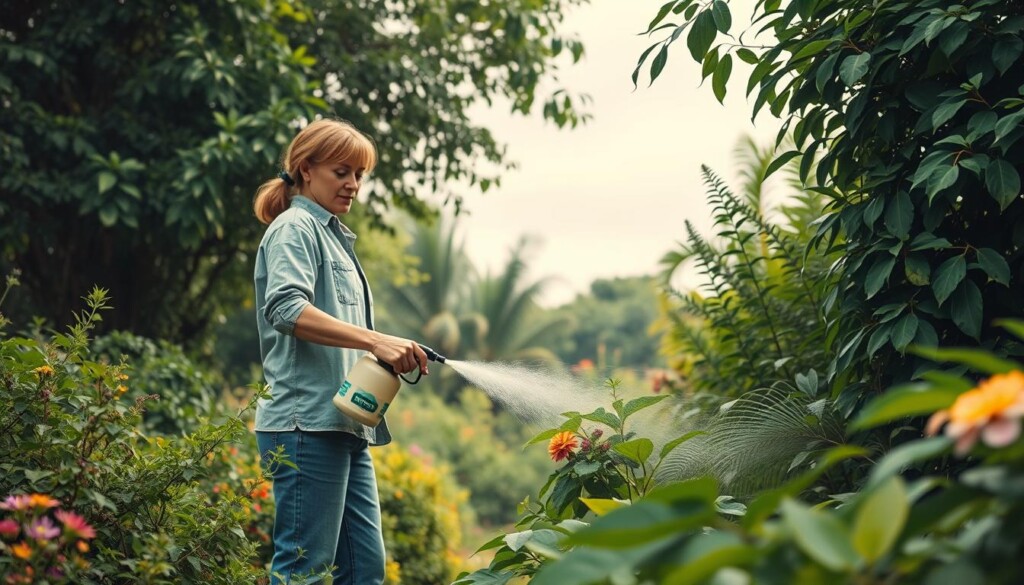
Then, think about using non-toxic traps or baits. Keeping your place clean is also important. This means cleaning up crumbs and spills, storing food right, and throwing away trash correctly.
By doing these things and sticking to IPM, you can keep pests away for good. This makes your home a healthier place for you and your family.
Prevention Tips for a Pest-Free Home
Simple steps can help keep pests away from your home. By taking a few steps, you can keep your home safe and healthy. This makes your living space better for everyone.
Proper Sanitation and Waste Management
Keeping your home clean is key to stopping pests. Clean up crumbs and spills where food is eaten. This stops pests from coming in.
- Store food in sealed containers to prevent attracting pests.
- Regularly dispose of garbage and recyclables.
- Clean up clutter and organize storage areas.
Sealing Entry Points
Pests can sneak in through tiny openings. It’s important to seal these spots to keep pests out.
Look for gaps in your home’s foundation, walls, and roof. Use caulk or sealant to block these holes. Pay extra attention to areas around pipes, vents, and doors.
Landscaping for Pest Prevention
Your yard’s look can affect pest problems. A clean yard without debris and water helps keep pests away.
| Landscaping Tip | Benefit |
|---|---|
| Keep grass and weeds trimmed | Reduces hiding spots for pests |
| Remove standing water | Prevents mosquito breeding |
| Use natural pest repellents in gardening | Deters pests without chemicals |
By following these landscaping tips and keeping your home clean and sealed, you can lower pest risks. This makes your home safer and healthier for your family.
Organic Gardening Practices
Organic gardening is more than avoiding chemicals. It’s about making a balanced home for plants and bugs. This way, your garden stays a safe place for good insects and tiny helpers.
Companion Planting Techniques
Companion planting is a smart way to keep pests away. It means growing different plants together. For instance, marigolds with tomatoes keep nematodes away. Basil keeps aphids off and makes veggies taste better.
Some good plant friends are:
- Marigold and tomato to deter nematodes
- Basil and vegetables to repel aphids
- Nasturtium and cabbage to deter aphids, whiteflies, and other pests
Gardening expert says, “Companion planting makes a garden balanced.”
“The right plants together grow better, fight pests, and taste better.”
Organic Fertilizers and Soil Management
Healthy soil is key to green pest control. Organic fertilizers like compost, manure, or green manure make soil better. They help plants grow strong and support good bugs.
Some top organic fertilizers are:
- Compost: Full of nutrients and good bugs
- Manure: Gives plants what they need to grow
- Green manure: Makes soil rich and strong
Using organic fertilizers and taking care of soil helps fight pests and diseases. This means you use fewer chemicals.
The Role of Professional Eco-Friendly Exterminators
Professional eco-friendly exterminators help homeowners get rid of pests safely. They use non-toxic methods that are safe for your family and pets.
What to Expect During an Eco-Friendly Treatment
When you hire eco-friendly exterminators, they will check your home for pests. They will then use safe, eco-friendly solutions to fix the problem.
The treatment process includes:
- Inspecting your home for signs of pests and determining the extent of the infestation.
- Developing a customized treatment plan using eco-friendly methods.
- Implementing the treatment, which may include sealing entry points, using non-toxic baits, or applying natural repellents.
- Providing guidance on how to prevent future infestations.
Finding Certified Eco-Friendly Exterminators
To find certified eco-friendly exterminators, start by looking online. Check for professionals who have the right certifications.
Here are some steps to follow:
| Step | Description |
|---|---|
| 1 | Search online for eco-friendly exterminators in your area. |
| 2 | Check for certifications from reputable organizations. |
| 3 | Read reviews and ask for references. |
| 4 | Compare services and prices. |
Choosing certified eco-friendly exterminators means your home is safe. It’s good for the environment and your family.
Myths About Eco-Friendly Pest Control
When you think about pest control, it’s key to know what’s real and what’s not about green methods. Many people think green pest control doesn’t work well. This stops them from trying it out.
Common Misconceptions
Some think green pest control doesn’t work as well as chemical methods. Others believe it costs too much or takes too long. Let’s look at these myths.
- Eco-friendly pest control is not as effective as chemical-based methods.
- Sustainable pest prevention requires significant lifestyle changes.
- Environmentally friendly pest control products are hard to find.
Debunking The Myths
Let’s clear up these myths with facts. Eco-friendly pest control methods can work just as well as old methods, but they’re better for the planet. For example, peppermint and lemongrass oils can keep pests away.
Here are some facts that prove the myths wrong:
- Sustainable pest prevention can be simple. Just change how you throw away trash and seal up holes.
- Now, you can find eco-friendly pest control products easily. This makes it simpler to go green.
- Green pest control can save money over time. You won’t need to buy chemicals again and again.
Knowing the truth about green pest control helps you make better choices. Choosing sustainable pest prevention keeps your family safe and helps the planet.
Cost Considerations for Eco-Friendly Pest Solutions
Using eco-friendly pest control needs you to know the costs and savings. The first cost might be more, but think about the long-term savings. These methods can save you money over time.
Budgeting for Pest Management
When planning your pest budget, think about both the start and ongoing costs. Eco-conscious pest extermination might cost more at first. But, these costs can be balanced by the lasting results of the treatments.
To plan for eco-friendly pest control, do this:
- Check how bad your pest problem is
- Look into eco-friendly pest control options
- Think about the long-term savings
Long-Term Savings with Eco-Friendly Methods
Eco-friendly pest control can save you money in the long run. It uses safe, lasting methods to keep pests away. This means you won’t need to treat your home as often.
| Cost Factor | Traditional Methods | Eco-Friendly Methods |
|---|---|---|
| Initial Cost | Lower | Higher |
| Long-Term Cost | Higher due to repeated treatments | Lower due to effective prevention |
| Environmental Impact | Higher risk of pollution and health hazards | Lower environmental impact |
Choosing green pest management helps the planet and can save you money. It’s a smart, eco-friendly way to keep pests away from your home.
Future Trends in Eco-Friendly Pest Control
The world of eco-friendly pest control is changing fast. New ideas and tech are making it better. You’ll find new ways to keep pests away without harming the environment.
Emerging Innovations
New tech like precision agriculture and biological control is coming. It uses natural things like essential oils. Also, it uses good bugs to fight pests.
Growing Demand for Sustainable Solutions
More people know about the bad effects of chemical pest control. This is why they want eco-friendly ways to manage pests. The market is now full of organic products and services.
By using these new trends, you can keep your home pest-free. You’ll also help the planet. The future of eco-friendly pest control is bright, with more natural and organic options.