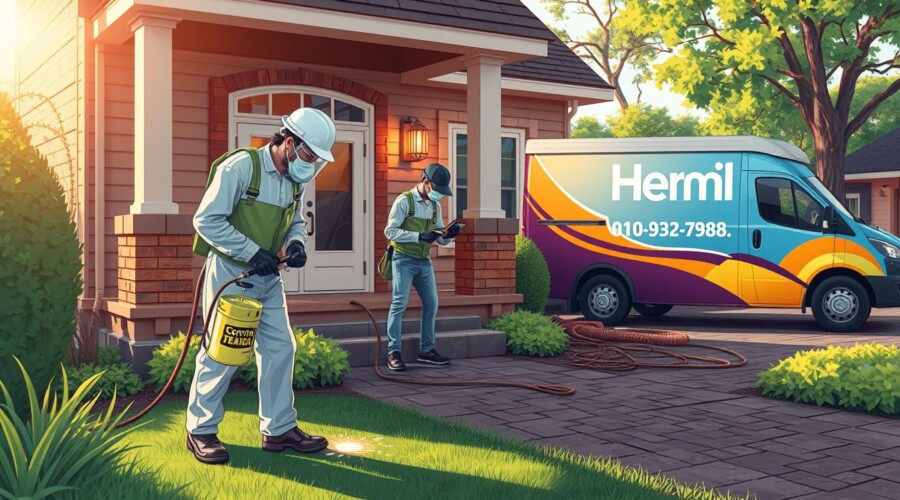
Professional Termite Treatment Services: Safeguard Your Home
Do you know how termites can harm your home? Termite infestations can damage your home’s structure a lot. It’s very important to protect your home.
Getting help from professionals for termite control is key. With reliable termite treatment services, your home will be safe from termites.
Key Takeaways
- Termite infestations can cause significant damage to your home’s structure.
- Professional termite control is essential for preventing and eliminating termite infestations.
- Reliable termite treatment services can safeguard your home against termite damage.
- Proactive measures can help protect your property from termite infestations.
- Termite treatment services can help prevent costly repairs.
Understanding Termites: The Hidden Threat to Homes
It’s important to know about termites to keep your home safe. Termites are tiny but can cause big damage. They live in groups and eat wood and other cellulose materials.
What Are Termites and How Do They Work?
Termites are small but can harm your home a lot. They eat wood from the inside out. This makes them hard to find until it’s too late.
Termite colonies have different roles. Workers find food, soldiers protect, and the queen lays eggs. This helps the colony grow.
Why Termite Infestations Are Common in the U.S.
Termite problems are common in the U.S., especially in warm, humid places. Several things make termites more likely to infest homes.
- Moisture: Termites need water to live, so humid places are perfect for them.
- Wood and Cellulose: Homes made of wood and cellulose attract termites.
- Climate Change: Weather changes can make places more welcoming to termites.
| Factor | Description | Impact on Termite Infestation |
|---|---|---|
| Moisture | High humidity and water presence | Increases termite survival and activity |
| Wood and Cellulose | Availability of food sources | Attracts termites and supports colony growth |
| Climate Change | Alterations in temperature and humidity patterns | Can expand termite habitats and increase activity |
Knowing about these factors helps protect your home from termites. Get regular checks from pest removal companies and termite extermination experts. This can stop big damage early.
Signs of a Termite Infestation to Watch For
Spotting termites early can save your home from big damage. Termites can sneak into your home and cause harm without you knowing. Knowing the signs helps you act fast and protect your home and money.
Visual Indicators of Termites
Mud tubes on walls or floors are a big sign of termites. These tubes are made of soil, saliva, and poop. They help termites stay moist while moving around. Check your home often for these tubes, especially where it’s wet.
Discarded wings near doors or windows are another sign. When termites swarm, they lose their wings. Look for these wings and frass or termite droppings, which look like sawdust. Frass means termites are eating wood in your home.
Sounds and Smells That Signal Trouble
Termites make sounds too. Listen for faint clicking or tapping in walls or wood. These sounds are louder at night when termites are busy. If you’re near termites, you might hear them head-banging on wood, which they use to talk.
Some smells can also mean termites are around. A musty or moldy odor means a big termite colony. Termites smell like mildew or decay. If you smell this, especially with other signs, call local pest management services for help.
Watching for these signs and acting fast can prevent termite damage. Regular checks by you and best termite inspection pros are key to catching termites early.
The Importance of Regular Inspections
Regular inspections are key to stopping termites. They help find problems early. This keeps your home safe and sound.
How Often Should You Schedule Inspections?
How often you need termite checks depends on a few things. These include where you live, your home’s age, and its type. Usually, you should get checks once a year.
If termites are common in your area, you might need more checks. This keeps your home safe.
- For homes in high-risk areas, inspections should be conducted every 6 months.
- If you’ve had previous termite issues, more frequent inspections are advisable.
- New homes or those with recent renovations may also require more frequent checks.
Benefits of Preventative Treatments
Preventative treatments help control termites. They protect your home from damage. This saves you money on repairs later.
Some big benefits are:
- Early Detection: Regular checks find termites early.
- Cost Savings: Treatments save money by avoiding expensive fixes.
- Peace of Mind: Knowing your home is safe gives you peace.
Looking for affordable termite removal? Think about the long-term benefits. The initial cost is worth it for the savings and peace of mind.
Different Types of Termite Treatment Methods
You can pick from many termite treatment services. Each has its own good and bad points. Knowing these helps you choose the best one for you.
Chemical Treatments: Pros and Cons
Chemical treatments are a common way to fight termites. They use chemicals to kill termites. They work fast and are good at killing termites.
But, they can be bad for people and pets if not used right. They can also harm the environment.
Key considerations for chemical treatments:
- They work well against many termite types
- Some termites might not like them
- Only pros should apply them to stay safe
Non-Chemical Treatments: Eco-Friendly Options
If you don’t want to use chemicals, there are other choices. These methods kill termites without harsh chemicals. Examples are baiting systems and barriers.
These options are better for the planet and safer for people and pets. But, they might take longer to work and need watching.
Benefits of non-chemical treatments:
- They’re good for the environment
- They’re safer for people and pets
- They can help control termites for a long time
Here’s a look at chemical and non-chemical termite treatments:
| Treatment Method | Pros | Cons |
|---|---|---|
| Chemical Treatments | Work fast, kill many termites | Can be bad for health, harm the environment |
| Non-Chemical Treatments | Safe for the planet, people, and pets | Take longer, need constant checking |
The Termite Treatment Process: What to Expect
As a homeowner, knowing what to expect during termite treatment can help. Pest removal companies will guide you through steps to get rid of termites.
Initial Inspection and Assessment
First, professionals will inspect your property for termites. They look for mud tubes, damaged wood, and discarded wings. This step is key to knowing how bad the problem is and what kind of termites you have.
They will check your home’s foundation, walls, and places where termites might hide. They might use special tools to find termites in hard-to-reach spots.

Treatment Plan Development
After the inspection, a treatment plan is made just for you. It will say how to best treat your termites, based on what they found. This plan considers the termites, how bad they are, and any safety issues.
The plan might include using baits or liquid termiticides. The experts will tell you all about it. They want you to know what’s happening and what to expect.
Knowing about termite treatment helps you get ready. It makes sure your home and family are safe and sound.
Choosing the Right Termite Treatment Service
To keep your home safe from termites, pick a service that works well and is honest. There are many choices, making it hard to pick the right one.
Key Factors to Consider When Hiring a Service
When you look for a termite service, think about a few things. First, find a service with lots of experience in getting rid of termites. A company that knows what it’s doing will solve your problem better.
Also, think about the treatment methods they use. Do you want eco-friendly options or the newest tech? Talk to the service to make sure they can do what you want.
Don’t forget about customer service. A good service should be quick and nice, answering your questions fast.
Customer Reviews and Testimonials Matter
Reading what others say can help you choose a service. Happy customers mean the service works well.
As a happy customer said, “
We were impressed with the professionalism and effectiveness of the termite treatment service we hired. They were able to eliminate the termite infestation and provide guidance on how to prevent future issues.
“
Look up reviews online and ask for references. This helps you pick a service that’s good and reliable.
By thinking about these points and doing your homework, you can find a service that meets your needs. They should offer great termite solutions.
DIY vs. Professional Termite Treatment
Homeowners often face a big choice: DIY termite solutions or professional help. DIY might save money, but it’s key to think about the risks and benefits first.
Risks of DIY Solutions
DIY termite treatments can be risky and often don’t work well. Without proper training and equipment, you might not find the problem or treat it right. This can lead to more termite damage over time.
- Inadequate treatment coverage
- Risk of using hazardous chemicals without proper safety measures
- Lack of follow-up inspections to ensure the infestation is fully addressed
Residential termite treatments need a detailed plan that DIY can’t offer.
When to Call in the Experts
If you have a big termite problem or DIY treatments don’t work, get affordable termite removal from pros. Experts have the skills, tools, and know-how to get rid of termites and stop them from coming back.
- Accurate diagnosis and effective treatment plans
- Access to advanced treatment technologies and products
- Ongoing monitoring and maintenance to prevent re-infestation
Costs of Termite Treatment Services
The cost of termite treatment services changes a lot. It depends on your home’s size and how bad the termites are.
It’s key for homeowners to know these costs. This helps them plan their budget for professional termite control. The cost isn’t just for the first treatment. It also includes extra visits and steps to stop termites.
Average Costs Based on Home Size and Infestation Level
The size of your home and how bad the termites are matter a lot. Here’s a simple guide:
| Home Size | Infestation Level | Average Cost |
|---|---|---|
| Less than 1,000 sq. ft. | Mild | $300 – $500 |
| 1,000 – 2,000 sq. ft. | Moderate | $500 – $1,000 |
| More than 2,000 sq. ft. | Severe | $1,000 – $2,500 |
Ways to Save on Termite Treatment
Even though it might seem expensive, there are ways to save on termite treatment services:
- Regular checks can find termites early, saving money.
- Some services have deals that include more treatments and visits.
- Keeping your yard clean and away from wood can help stop termites.
Being proactive and picking the right professional termite control can save you money. This way, you can keep your home safe without spending too much.
Preventative Measures to Avoid Future Infestations
To stop termites, keep your home in good shape and your yard neat. These steps help a lot in keeping termites away from your house.
Home Maintenance Tips
Keeping your home dry is key to stopping termites. Fix any leaks fast. Make sure your home drains well.
Keep your home tidy, especially near food. Termites like paper and wood. Get rid of cardboard, paper, and wood you don’t need.
Best Practices for Landscaping Around Your Home
Landscaping helps keep termites away. Trim trees and shrubs to keep them from touching your house. Don’t plant trees or shrubs right next to your house.
Make a termite-free zone around your home. Keep it clean of debris and wood. Watch for termites and call pest removal companies for help if you see them.
- Keep mulch and other organic materials a few inches away from your home’s foundation.
- Ensure that your yard’s grading allows water to drain away from your home.
- Regularly inspect your home’s exterior for any signs of termite damage or activity.
By taking these steps, you can keep termites out of your home. Think about getting a best termite inspection to keep your home safe.
Frequently Asked Questions About Termite Treatments
Dealing with termites can be stressful. Knowing answers to common termite treatment questions can help. It’s normal to have questions when getting rid of termites.
How Long Does Treatment Last?
The time termite treatment lasts varies. It depends on the treatment type and how bad the infestation is. Liquid termiticides can protect for years. Baiting systems might need more checks and refills.
Getting help from a termite treatment expert is key. They can tell you what to expect and how to keep the treatment working.
Can I Stay in My Home During Treatment?
Whether you can stay home during treatment depends on the method. For liquid treatments, you might need to leave for a few hours to a day. This depends on the product and how big the area is.
Baiting systems usually don’t make you leave. They’re often put outside or in less used spots. But, always follow what your termite treatment pros say to stay safe and ensure the treatment works.
Choosing local pest management services is important. Look for ones that offer good termite removal and help you through the process. Affordable termite removal services that are trustworthy can make a big difference.
Conclusion: Taking Action Against Termites
Termites can harm your home a lot. They can cause expensive damage. It’s important to know the signs and act fast to protect your home.
Protect Your Home with Professional Help
You now know why regular checks are key. You also know about different treatments and how to prevent termites. It’s time to act.
Call termite experts who know how to keep your home safe. They have the tools and skills to get rid of termites for good. This way, you can relax knowing your home is safe.
Get Started Today
Don’t wait until it’s too late. Call termite experts now. They can help protect your home from termite damage.