Home Pest Inspection: Your Comprehensive Guide
Keeping your property pest-free is key for your health. A professional pest inspection finds problems early.
This guide helps you understand pest prevention and how to do a home pest inspection. Knowing what a pest inspection is and why it matters helps protect your home.
Key Takeaways
- Understand the importance of a professional pest inspection.
- Learn how to prepare for a home pest inspection.
- Discover the benefits of regular pest prevention measures.
- Find out how to choose the right pest inspection service.
- Gain insights into maintaining a pest-free property.
What is Home Pest Inspection?
A home pest inspection checks your home for pests. It makes sure your home is safe and free from pests. It looks at different parts of your home for pest signs.
Definition and Importance
A residential pest inspection looks for pests like rodents and insects. It’s important because it finds pests early. This stops expensive damage and health risks. Pest control services do these inspections to help homeowners.
These inspections find pests and help stop them from coming back. They help homeowners keep their homes safe.
Benefits of Regular Inspections
Regular house pest inspections have many benefits:
- They find pests early, preventing big damage.
- They save money by fixing pest problems before they get worse.
- They make your home safer and healthier.
- They keep your home’s value high by keeping it pest-free.
Pest control experts say, “Regular inspections keep your home pest-free. It’s a smart move that saves you trouble and money.” They also help with home sales and insurance.
By getting regular pest inspections, homeowners keep their homes safe and pest-free.
Common Pests Found in Homes
Knowing the pests that infest homes helps you keep your space pest-free. These pests can damage your property and harm your health.
Rodents
Rats and mice are common pests. They chew on wires, insulation, and wood. They can spread diseases too. If you see them, call a pest management company fast.
Insects
Cockroaches, ants, and bed bugs are more than just pests. They can make allergies worse and spread diseases. For example, cockroaches can make asthma symptoms worse. Good exterminator services can get rid of them.
Wood-destroying Organisms
Termites and other pests can damage your home’s structure. Regular checks can find problems early. If you live where termites are common, get home extermination help.
Knowing about pests in your home is key to protecting it. Being aware and acting early keeps your home safe and healthy.
Signs Your Home Needs a Pest Inspection
Is your home hiding unwanted guests? It’s key to spot signs for a pest check. Pests can damage your home and harm your health if not stopped.
Visible Infestations
Seeing pests is a clear sign you need a pest check. Look out for rodents on the floor, termites near lights, or cockroaches hiding. If you see these pests, act fast.
Unusual Noises
Strange sounds in your home might mean pests. Scratching in walls, noises in the attic, or gnawing sounds are clues. These sounds are louder at night.
Strange Odors
Pests can make bad smells. A musky smell might mean rodents, while a sweet, musty smell could be termites. Odd smells mean you should check your home.
| Signs | Description | Possible Pest |
|---|---|---|
| Visible Infestations | Rodents, cockroaches, or termites seen | Rodents, Cockroaches, Termites |
| Unusual Noises | Scratching, scurrying, or gnawing sounds | Rodents, Termites |
| Strange Odors | Musky, sweet, or musty smells | Rodents, Termites |
Knowing these signs helps protect your home from pests. Regular home pest inspections keep your home safe and healthy.
How to Choose a Pest Inspection Service
To find out if your home has pests, pick a reliable pest inspection service. There are many pest management companies to choose from. But, by looking at a few important things, you can pick the right one.
Look for Certification
First, check if the pest inspection service is certified. A certified exterminator service knows how to find and fix pest problems. Look for certifications from groups like the National Pest Management Association (NPMA).
Certification means the service uses the latest pest control methods. It also means they follow industry rules. This is key for a good inspection and treatment.
Read Customer Reviews
Next, read what others say about the service. Customer reviews can tell you a lot about the professional pest inspection service. Look on Yelp, Google Reviews, or the Better Business Bureau.
Look at the service’s overall rating and what people say. A service with lots of good reviews is likely to do a great job.
Inquire About Methods Used
Also, ask about the service’s methods. Different companies use different ways to check for and treat pests. Ask them about their pest management plan and treatments.
“The right pest inspection service will not only identify pest issues but also provide effective, eco-friendly solutions that meet your needs.” –
A good service will tell you about their methods. They should explain the good and bad parts of their approach. This helps you choose a service that fits your needs.
Think about certification, customer reviews, and methods when picking a pest inspection service. This way, you’ll find a service that checks your home well and fixes any pest problems.
The Home Pest Inspection Process
To keep your home safe from pests, it’s key to know the home pest inspection process. This step finds pests before they cause big problems.
Initial Assessment
The first step is very important. The inspector looks for signs of pests. They check for visible infestations like termite damage or rodent droppings.
Detailed Inspection Areas
A detailed inspection looks at many parts of your home. These include:
- Attics and crawl spaces
- Basements and foundations
- Kitchen and pantry areas
- Bedrooms and living spaces
The inspector looks for signs of pests. They check for nests, eggs, or actual pests.
Reporting Findings
After the inspection, the inspector makes a detailed report. This report will include:
| Finding | Description | Recommendation |
|---|---|---|
| Pest Infestation | Evidence of pest activity | Treatment and prevention measures |
| Potential Risks | Areas vulnerable to pest infestation | Preventive measures |
Knowing the home pest inspection process helps you get ready. It lets you take steps to pest prevention. This keeps your home safe and healthy.
Cost of Home Pest Inspection Services
Keeping your home safe from pests is important. Knowing how much it costs to check for pests is key. The price can change based on many things, so knowing helps you budget.
Average Price Range
In India, a home pest check can cost between ₹2,000 and ₹5,000. But, the price can go up or down. This depends on your home’s size, the pests, and the company’s reputation.
Factors Influencing Cost
Several things can make pest inspection prices change:
- Size of the Property: Bigger homes take longer to check, which costs more.
- Type of Pests: Some pests need special checks. Termite checks might cost more than general pest checks.
- Inspector’s Expertise: More skilled inspectors might charge more because of their knowledge.
Insurance and Coverage
Most home insurance in India doesn’t cover pest problems. But, some premium services might offer extra pest control coverage. Always check with your insurance to see what’s included.
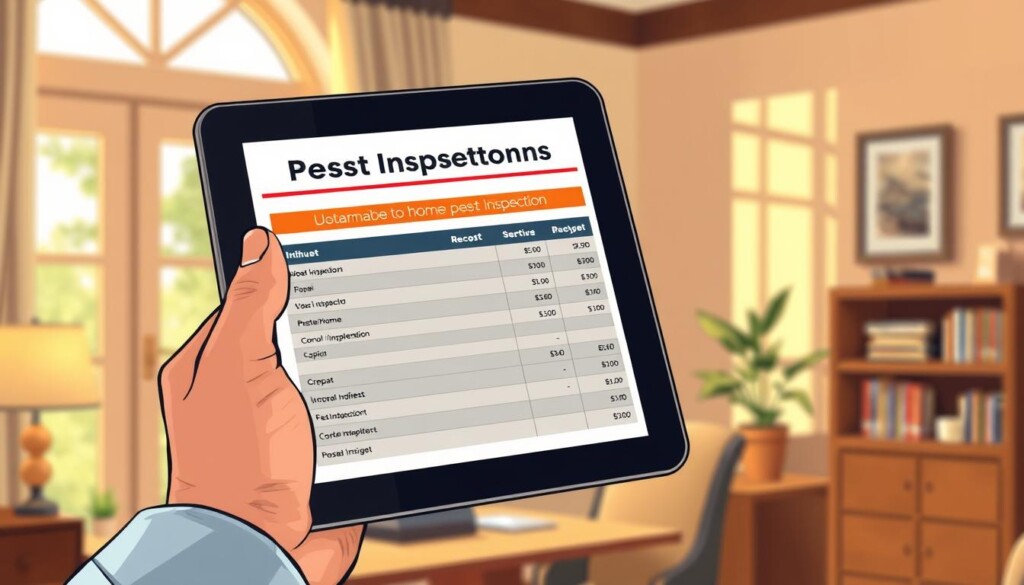
- Look at prices from different pest control services.
- See if the inspection includes extra services like reports and follow-ups.
- Read what other customers say to judge the service quality.
Knowing these points helps you choose the right pest inspection service.
DIY Pest Inspection Tips
Doing a DIY pest check is key to spotting pests early. It helps keep your home and family safe from pest damage and health problems.
Inspecting Key Areas
Focus on spots where pests like to hide. Look at:
- Attics and crawl spaces where rodents and insects hide.
- Basements and cellars that pests like because they’re moist.
- Kitchen areas, especially around sinks and food, where cockroaches and ants live.
Check these areas well for pest signs.
Common Signs to Look For
Watch for signs of pests like:
- Visible pests or their poop.
- Nests or webs in corners or hidden spots.
- Strange noises or movements in walls or ceilings.
- Odd smells that won’t go away.
Stay alert for these signs to catch pest problems early.
Tools You Might Need
You’ll need some basic tools for a good check:
- A flashlight for dark or hard spots.
- A magnifying glass for small pest signs.
- A screwdriver or tool to get into tight spots like attics or crawl spaces.
With these tools and knowledge, you can do a complete pest check. This helps stop pest problems.
Doing regular DIY pest checks is important for pest prevention. It keeps your home safe and healthy.
When to Schedule a Home Pest Inspection
Timing is key for home pest inspections. Here’s when you should think about it. A professional pest inspection finds problems early.
Moving into a New Home
When moving into a new home, get a house pest inspection first. It finds pests like termites or rodents. This lets you fix problems before they get worse.
Seasonal Inspections
Seasons change, and so do pests. In spring and summer, ants and termites are busy. Inspect your home then to catch issues early. A pest management company can tell you the best times for your area.
Post-treatment Follow-ups
After treating pests, check again to make sure they’re gone. These checks confirm pests are eliminated. They also protect your home from future problems.
Knowing when to get a pest inspection helps keep your home safe. It’s good for new homes, seasonal changes, or after treatments. A professional pest inspection keeps your home pest-free.
How Often Should You Get an Inspection?
To keep your home pest-free, knowing when to get a home pest inspection is key. How often you get these checks affects your pest control success.
Most homes need an inspection once a year. This helps catch problems early. But, the need for more checks depends on your home’s age, location, and past pest issues.
Recommended Frequency
If pests are common in your area, you might need checks every six months. This is especially true for homes near woods or in humid places.
Also, if pests have been a problem before, like termites or rodents, more checks are a good idea. They help prevent the same issues from coming back.
Specific Situations Requiring More Inspections
Some situations need more pest checks. Buying or selling a home often requires a home pest inspection. If pests keep coming back, more checks can find the source and fix it.
Seasonal changes also affect pests. So, it’s smart to check in spring and fall. This way, you can tackle problems before they get worse.
Keeping your home pest-free means working with a trusted pest control service. They can tell you how often to get inspections based on your home’s needs.
The Role of Technology in Pest Inspections
Technology is changing pest inspections a lot. It makes them better and more accurate. Homeowners get a lot of benefits from these changes, especially with pest management companies or exterminator services.
Advanced Tools for Inspections
New tools are making pest inspections better. For example, drones with high-resolution cameras check hard places like attics and roofs. This is safer for inspectors and gives a better view of the property.
Some important technologies include:
- Drones for aerial inspections
- Thermal imaging cameras to find pests
- Apps for reporting and tracking pests
Use of Drones
Drones are now used by exterminator services for detailed inspections. They’re great for checking places that are hard to get to, like high ceilings or big outdoor areas.
Thermal Imaging Cameras
Thermal imaging cameras find temperature changes, which show pest activity. For example, rodents make warm nests in insulation. This is found with thermal imaging. It’s very helpful in finding where pests might be during a home extermination.
Apps for Homeowners
There are apps for homeowners to report and track pests. These apps help keep an eye on pests over time. They give useful data to pest management companies. They have features like:
- Pest guides
- Sighting tools
- Personalized plans
By using these technologies, homeowners and pest experts can work better together. Whether it’s a regular check or a pest emergency, technology makes it easier and more effective.
What to Expect After an Inspection
After a pest inspection, knowing what to expect is important. The inspection report is key. It shows what pests were found and how to fix the problem.
Understanding the Report
The report will tell you about the pests found and how bad the problem is. It will also show where the pests are. It’s important to read this report well to know how to fix the problem.
Key components of the report may include:
- Detailed descriptions of the pests identified
- Photographic evidence of the infestation
- Recommendations for treatment and prevention
Treatment Recommendations
The report will suggest how to treat the pest problem. This might include sealing holes, removing damaged stuff, and using pest control.
| Treatment Method | Description | Effectiveness |
|---|---|---|
| Sealing Entry Points | Preventing pests from entering your home | High |
| Pest Control Treatments | Using chemicals or natural methods to eliminate pests | High |
| Removing Infested Materials | Removing materials damaged by pests | Medium |
Follow-up Actions
After the first treatment, more inspections and steps are needed. This ensures pests are gone for good. Regular checks and care are important for pest prevention.
By understanding the report and doing what it says, you can handle pest problems well. This keeps your home safe from pests in the future.
Frequently Asked Questions about Home Pest Inspections
Knowing about house pest inspections is important for a pest-free home. Regular checks help find problems early. Here, we answer common questions about pest control and inspections.
Inspection Duration
The time for a pest check varies. It depends on your home’s size and the inspection’s depth. A detailed report will follow the inspection.
What to Expect During the Inspection
The inspector will look at your home’s hidden spots. They check crawl spaces, attics, and basements for pests. They use special tools to find hidden damage and suggest treatments.
Insurance Coverage for Pest Inspections
Insurance coverage for pest checks varies. Some policies might cover it, especially for claims. Always check with your insurance to see what’s covered.